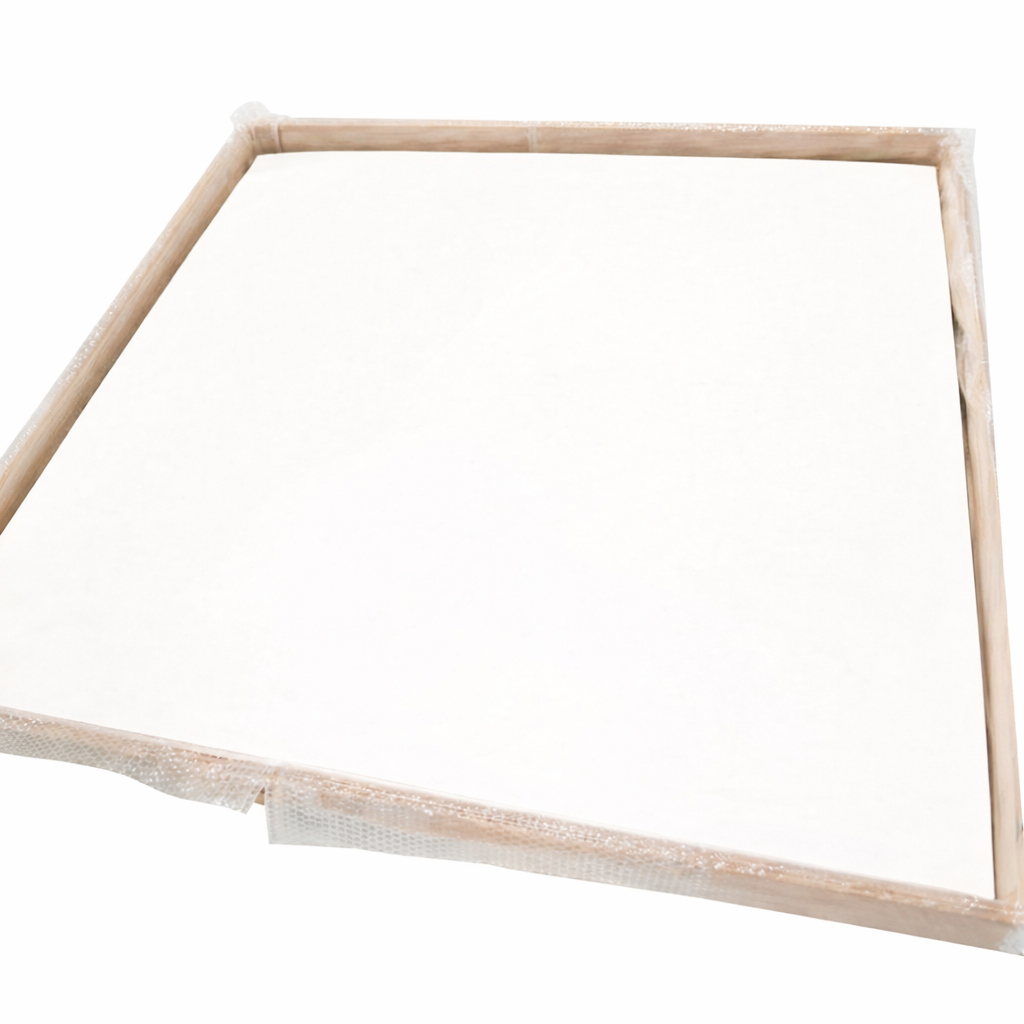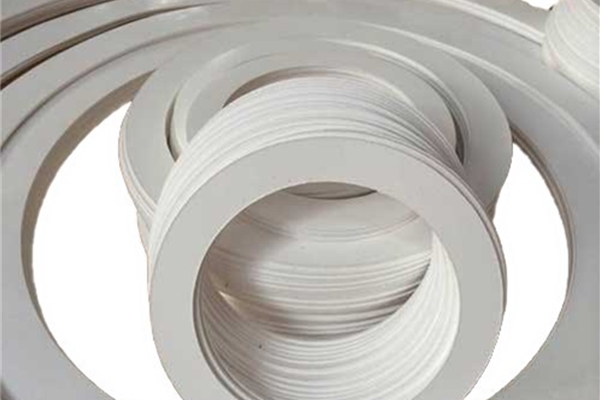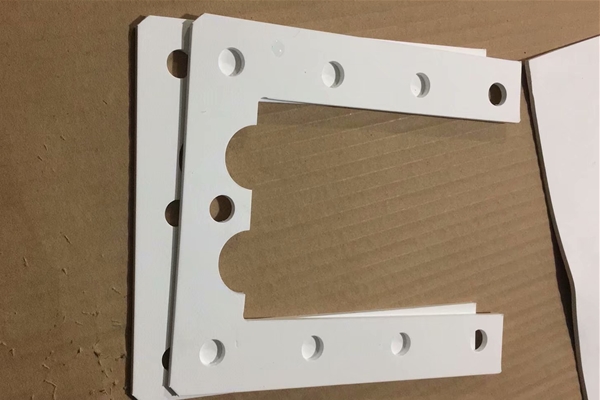

Expanded PTFE (ePTFE) gasket quality directly affects sealing reliability, safety, and service life. Whether you’re doing quick site acceptance or a full laboratory verification for critical service, a good evaluation should cover appearance, dimensional accuracy, mechanical behavior, and chemical stability.
This guide breaks down the identification standards into two levels: Rapid On-Site Inspection and Professional Laboratory Testing.
1. Rapid On-Site Inspection (Visual & Touch)
When you don’t have instruments available, visual and tactile checks can quickly eliminate most low-grade products.
1.1 Visual Inspection
A high-quality expanded PTFE gasket or sheet typically shows:
Flat, consistent surface:
The surface should look smooth and uniform, without visible cracks, pinholes, bubbles, inclusions, or mechanical damage. These defects often become leak paths under load.
Uniform color:
Most standard ePTFE appears clean white (or a consistent engineered color for modified grades).
Yellowing, gray spots, or uneven color may indicate contamination, aging, or unstable processing.
Clean edges and consistent thickness:
Check for neat cutting, no burrs, and even thickness across the gasket. Uneven thickness often leads to uneven bolt load and early leakage.
1.2 Touch Test (Feel + Rebound)
What makes ePTFE different from rigid virgin PTFE is its micro-porous structure, so feel matters:
Soft but “tight” feel (often described as marshmallow-like)
Too hard → expansion may be insufficient, poor conformability
Too loose/crumbly → density may be too low, weak structure, higher leak risk
Fast rebound after finger press
Press the gasket with your fingertip. A good expanded PTFE should recover quickly, showing it can keep sealing stress over time.
Why this matters: expanded PTFE’s microstructure (often described as “nodes and fibrils”) helps it conform to flange imperfections while resisting excessive long-term deformation. In real plants, this translates into more stable sealing on imperfect or lightly loaded flanges.
2. Professional Laboratory Testing (Physical & Chemical Performance)
For critical services (strong acids/alkalis, thermal cycling, high pressure, toxic media, and emission control), laboratory testing is strongly recommended. In practice, purchasers often request test reports based on recognized test methods for density, compressibility/recovery, tensile properties, and creep relaxation
2.1 Key Physical Property Test
Here’s a practical reference table (non-finance):
| Test Item | Purpose of Test | Key Instrument | Standard & Acceptance Criteria |
| Density | Evaluates purity and expansion uniformity. | Electronic Density Meter | Density deviation must fall within a tight tolerance. Too low = leakage; Too high = poor conformability. |
| Compressibility & Recovery | The core of sealing performance. | Compression Testing Machine (ASTM F36) |
High Compressibility: Ensures seal on rough/pitted flanges.
High Recovery: Ensures long-term tightness. |
| Tensile Strength | Prevents blowout or tearing during installation. | Universal Testing Machine (ASTM F152) | Must possess sufficient strength to withstand high bolt torque without structural failure. |
| Creep Relaxation | Assesses “Cold Flow” risk. | Creep Relaxation Tester (ASTM F38) | Premium ePTFE exhibits minimal thickness loss under high temperature/load, maintaining bolt tension. |
2.2 Chemical Resistance & Environmental Stability
Chemical Compatibility (Immersion Test): Samples are immersed in aggressive media (strong acids, alkalis, or specific solvents) for 24–48 hours. Check for: Swelling, discoloration, or weight change.
Standard: High-quality expanded PTFE is chemically inert across the entire pH 0-14 range.
Thermal Aging: Simulates long-term exposure to elevated temperatures to ensure the gasket does not become brittle, hard, or powdery over time
These tests help confirm the ePTFE gasket’s stability in your actual operating environment—especially where “looks good” is not enough.
2.3 Electrical Insulation Properties (Industry Specific)
For applications requiring electrical isolation (e.g., preventing galvanic corrosion in flanges) or electronics manufacturing:
Insulation Resistance: Measured using a high-precision insulation resistance tester.
Dielectric Constant: Verified to ensure it meets specific electrical isolation requirements.
Purchasing Tips: How to Avoid Low-Quality ePTFE
To ensure you are sourcing reliable sealing materials, consider these three critical factors during procurement:
1. Verify Certifications & Compliance
Do not rely on verbal assurances. Ensure the manufacturer holds relevant third-party compliance reports, such as FDA (for food/pharma) or other recognized industry standards (e.g., TÜV).
2. Audit the Quality Control (QC) Process
Engage the supplier on technical details. Ask about their in-process quality control: How often do they test density during a production run? Do they have full traceability from raw resin to finished ePTFE sheet? A supplier who can answer these technical questions transparently is usually a safer partner.
FAQ
Q1: What is the fastest way to check ePTFE gasket quality on site?
Visual inspection + tactile rebound test: look for a clean, uniform surface and press-recovery behavior.
Q2: Why does density matter for expanded PTFE gaskets?
Density consistency is linked to uniform expansion and stable sealing behavior; a large variation can lead to leakage.
Q3: Which lab test best indicates long-term sealing stability?
Creep relaxation testing is commonly used to evaluate long-term stress retention under compression.