
1 — Introduction: A New Way to Look at Sealing Economics
In the complex ecosystem of modern heavy industry and precision manufacturing, fluid sealing technology is often physically small but disproportionately critical to operational safety, environmental compliance, and asset return on investment.
For decades, industrial procurement has treated gaskets as a standardized, low-value MRO (Maintenance, Repair, and Operations) commodity, often falling into the trap of “lowest unit price” purchasing. However, as global chemical processes evolve toward higher temperatures, pressures, and corrosivity—and as environmental regulations like the US EPA’s LDAR (Leak Detection and Repair) tighten—this traditional logic is failing.
This report explains why expanded PTFE (ePTFE) gaskets often reduce the real cost of sealing—not only the purchase price—by connecting material science (how ePTFE is manufactured) with the challenges maintenance teams face on site: inventory complexity, installation time, flange protection, reliability, and downtime risk.
1.1 The “Hidden Cost Iceberg” of Gasket Failure
When a gasket leaks or fails, the gasket itself is rarely the biggest problem. The more costs usually come from: Inventory & purchasing burden: too many gasket materials, thicknesses, and sizes; expiration and scrap; Installation & labor: cleaning old gaskets, tight access work, re-torquing, repeat repairs; Asset damage: flange face corrosion, distortion, damage from excessive bolt load; Operational loss: product loss, steam loss, vacuum loss, housekeeping and safety control; Downtime & risk: unplanned shutdowns, compliance penalties, safety incidents
This is why ePTFE can make financial sense even when its initial price is higher: it is designed to reduce the downstream problems that drive repeat work.
1.2 PTFE → ePTFE: Why the Material Evolved
PTFE was discovered in 1938 and became famous for its chemical resistance.
However, Pure (skived/molded) PTFE gaskets can suffer from “cold flow” (creep/relaxation) under sustained bolt load—meaning the gasket can slowly deform, reducing sealing stress and increasing leak risk over time.
ePTFE was developed to solve that weakness. By creating a porous “node-and-fibril” structure, ePTFE keeps PTFE’s chemical inertness while improving compressibility, recovery, and resistance to creep/cold flow.
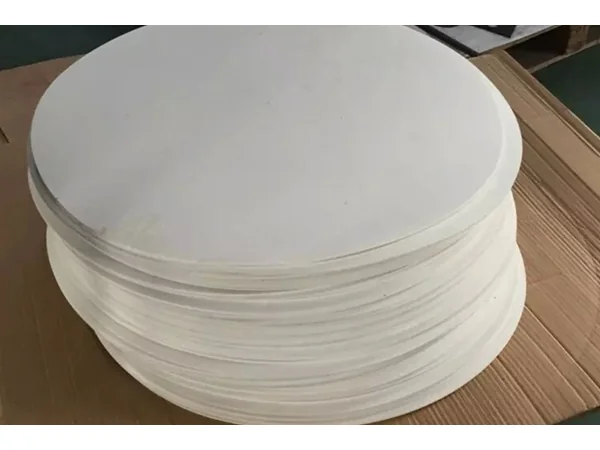
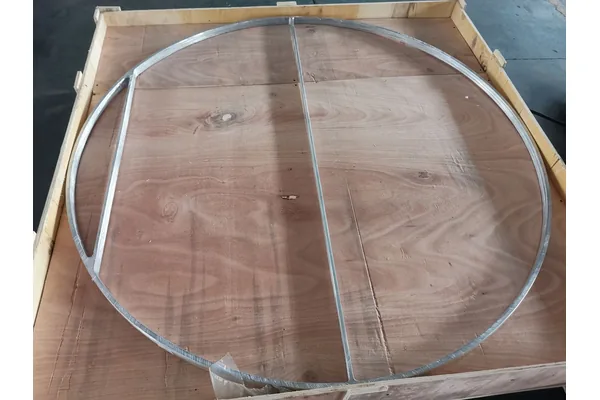
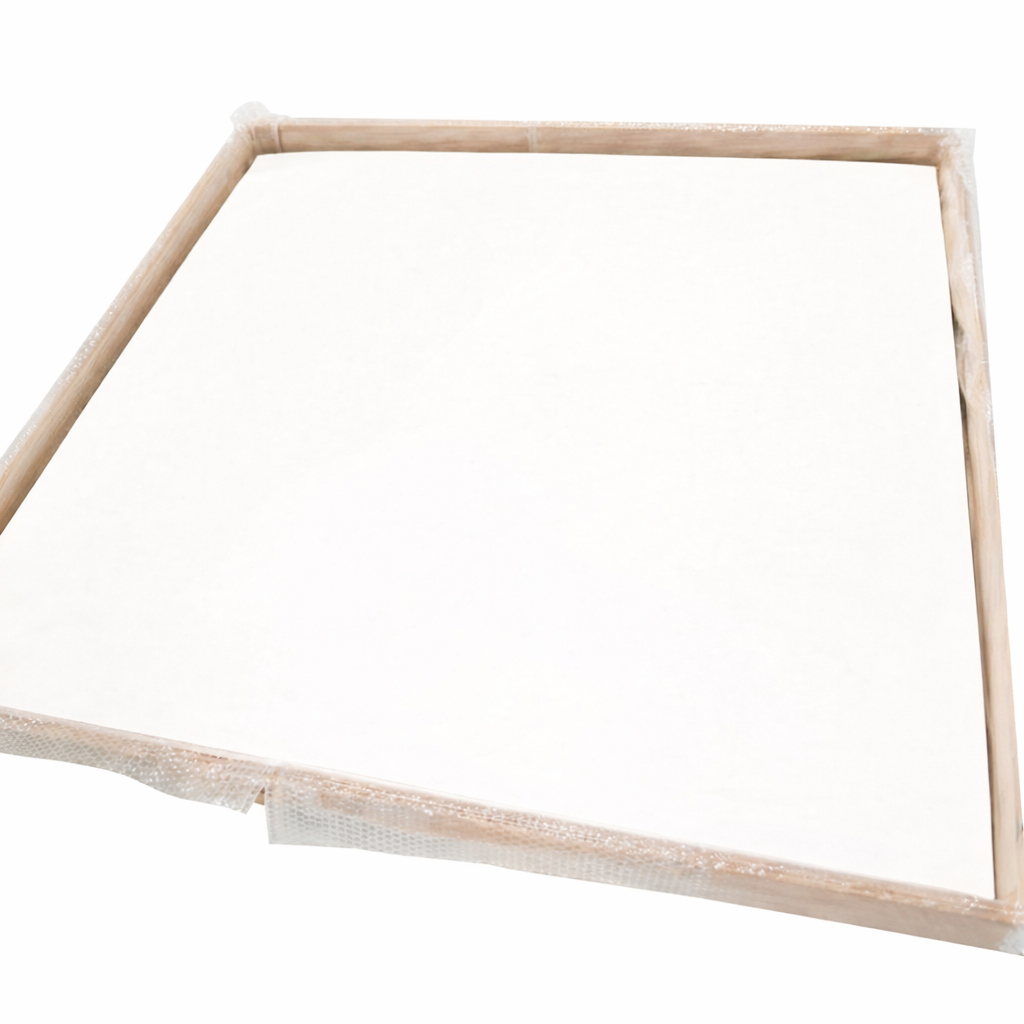
Today, ePTFE is available in multiple formats for real plant needs: ePTFE gasket sheet (cut gaskets on site); ePTFE joint sealant tape (form-in-place sealing for large/irregular flanges); ePTFE filler materials (for specialized gasket constructions)
2 — Material Science: Why Microstructure Becomes Real-World Savings
To use ePTFE well, you need to understand one key idea: it is not “just PTFE.” It is an engineered structure.
2.1 Node-and-Fibril Network: Better Resistance to Creep
The Mechanism: Unlike Virgin PTFE, which slips like a deck of cards, ePTFE’s fibrils mechanically lock together under compression. The Data: In industry-standard testing, skived Virgin PTFE can lose up to 20.0% of bolt stress after 24 hours. Under the same conditions, Expanded PTFE restricts loss to 12.6%, and if re-torqued, loss drops to under 3.0%. The Value: This translates to “Fit and Forget” performance. Plants no longer need to schedule high-risk, expensive “Hot Torquing” maintenance after thermal cycling, freeing up maintenance teams for critical tasks.
2.2 High Compressibility & Conformability: Sealing Imperfect Flanges
The Mechanism: ePTFE has a low density (0.6–0.9 g/cm³) compared to Virgin PTFE (~2.2 g/cm³), allowing it to compress by 55%-80%. The Value: It flows into flange surface imperfections—scratches, pits, and tool marks.
Cost Avoidance: Instead of paying for expensive on-site Flange Refacing services to fix damaged sealing surfaces, ePTFE can often seal imperfect flanges immediately, avoiding extended downtime.
2.3 Multi-Directional Expansion: More Balanced Strength
Modern high-performance Expanded PTFE sheets are produced to provide more balanced strength (not weak in one direction). That matters for real installation work, where gaskets may be handled, positioned, and compressed under uneven site conditions. Practical impact: better robustness during cutting/handling, and improved resistance against extrusion/blowout risk in demanding services.
3 — Practical Comparison: ePTFE vs Common Alternatives
3.1 ePTFE vs CNA (Compressed Non-Asbestos)
CNA is widely used because of its low initial cost. But CNA relies on binders that can age over time and can struggle in harsh chemical/thermal service.
Where ePTFE often wins in practice: longer service life in aggressive media; fewer “repeat jobs” due to aging and stress loss; less concern about shelf life and inventory write-offs
3.2 ePTFE vs Virgin PTFE
Virgin PTFE has excellent chemical resistance, but creep/cold flow can drive maintenance activity—especially on systems with thermal cycling.
Where ePTFE often wins in practice: better sealing stress retention over time; improved recovery under cycling conditions easier, faster on-site cutting and fitting for emergency work
3.3 ePTFE vs Flexible Graphite
The Cleaning Cost: Graphite often sticks to flanges, requiring aggressive scraping that takes 15-30 minutes per flange and risks damaging the surface.
The “Non-Stick” Advantage: ePTFE peels off cleanly.
Savings: On a turnaround of 1,000 flanges, saving 20 minutes of cleaning per flange saves 333 labor hours. At $100/hr, that is $33,300 in immediate savings, not counting the benefit of starting the plant up sooner.
4 — Five Real Plant Pathways to Reduce Total Cost with ePTFE
4.1 Inventory Simplification (Standardization)
Because ePTFE is chemically resistant, many plants use it to replace multiple soft-gasket materials and reduce SKUs; Result: simpler purchasing + fewer selection errors during maintenance.
4.2 Low-Stress Sealing & Asset Protection
For fragile equipment like Glass-Lined Steel, FRP, or Graphite Heat Exchangers, high bolt loads cause cracks. ePTFE seals at extremely low surface stresses (low bolt load), acting as an “airbag” that protects these assets worth hundreds of thousands of dollars.
4.3 Emission Control & Leak Management
Leak reduction is not only a maintenance goal—it’s often a compliance requirement. LDAR programs are designed specifically to detect and repair leaks that contribute to fugitive emissions.
Result: fewer leak events, smoother compliance work, reduced operational disruptions.
4.4 ePTFE Joint Sealant Tape for Large / Irregular Flanges
For flanges >600mm (24″), cutting gaskets from sheets creates massive material waste (the center cutout). Solution: ePTFE Joint Sealant (Form-in-Place tape) is 100% utilized with zero waste. It is easy to transport to difficult locations (like tower tops) and allows instant sealing of any non-standard shape.
4.5 Special Reuse Applications
While best practice in critical service is to install a new gasket, some low-pressure or special applications may allow limited reuse if inspection confirms integrity.
Result: potential consumable reduction only where risk is controlled.
5 — Industry Case Studies
5.1 Pulp & Paper: Digester Vibration
Challenge: Extreme chemical mix (alkali/acid) + high vibration caused metal and graphite gaskets to fail. Solution: Structural ePTFE. Result: Superior torque retention withstood the vibration, eliminating unplanned shutdowns and extending MTBF significantly.
5.2 Logistics: Chemical Tank Car Manways
Challenge: Traditional envelopes became brittle in winter and cracked. Solution: 100% ePTFE gaskets. Result: Solved cold-embrittlement issues and allowed for multi-trip reusability, simplifying fleet inventory.
5.3 Offshore: Corroded RTJ Flanges
Challenge: Severely corroded Ring Type Joint (RTJ) flanges faced weeks of downtime for machining. Solution: High-conformability ePTFE gaskets designed to seal over corrosion. Result: Immediate return to service without hot work or machining, saving millions in potential lost production
6 — Conclusion & Actionable Recommendations
Expanded PTFE is more than just a sealing material; it is a strategic financial tool. By leveraging its unique microstructure, industrial operators can solve the persistent headaches of cold flow, flange damage, and chemical incompatibility.
Summary of Value: Eliminate Maintenance: “Fit and Forget” reliability; Protect Assets: Low-stress sealing for fragile flanges; Simplify Supply Chain: One material for universal application; Compliance: Meet the strictest environmental emission standards.
Suggested next steps:
Stop buying gaskets based on unit price. Start calculating the cost of failure.
Conduct a Pilot: Identify your “Bad Actor” flanges (the ones that leak most often) and switch them to ePTFE.
Standardize: Move toward a universal gasket inventory to reduce waste.
Upgrade: For large diameter flanges (>24″), switch to ePTFE Joint Sealant to eliminate cutting waste and logistics headaches.